
O artigo vale a pena.
Alguém quer fazer um parecido... em português?
Teaching and learning | Elizabeth Hutchinson School Libraries | I know we need a school librarian, but I can't remember why...

The overall findings suggest that digital natives were not necessarily information literate, and that information literacy should be systematically promoted through hands-on activities. This book aims to stress the importance of information literacy in elementary education, discuss the scope of learning content that should be implemented within the curriculum, and to describe how the critical attitudes of the conscious media user can be shaped from an early age. The authors describe information literacy purposes and relationships in organizations within the context of the selected theories, and how they theoretically and practically connect. (do resumo)Contributo de 3 autores portugueses, bibliotecários experientes no Ensino Superior:
Chapter 1. Education and Psychology Trends: Impact on Information Literacy (pp. 1-30) (Tatiana Sanches, Carlos Lopes and Maria da Luz Antunes)
Chapter 2. Open Science Challenges for Information Literacy (pp. 31-60) (Carlos Lopes, Maria da Luz Antunes and Tatiana Sanches)
Chapter 3. Information Literacy in Higher Education: Effects of Study Courses, Teaching Methods, Scientific Literacy and the Use of Information and Communication Technologies (pp. 61-90) (Bojana Boh Podgornik, Danica Dolnièar, Tomaž Bartol and Andrej Šorgo)
Chapter 4. Information Literacy in the Perspective of Early School Education (pp. 91-112) (Irena Pulak)
Chapter 5. Information Literacy and Organizational Theory (pp. 113-132) (Emmett Lombard and Vishal Arghode)
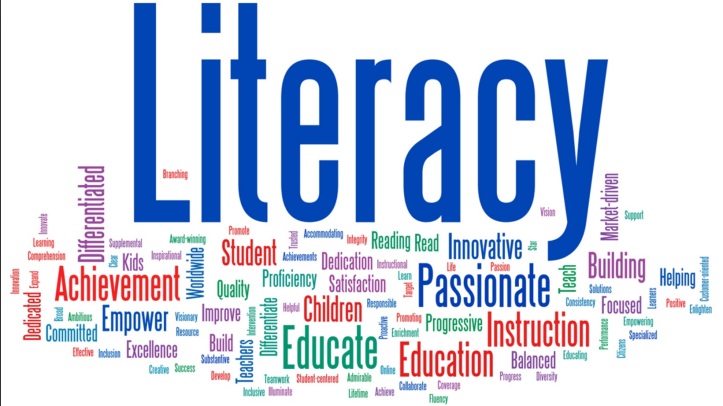
Universal literacy remains one of the great challenges of our time. Truly sustainable, bottom-up development depends on everyone having the ability to read and engage with information. In signing this memorandum with IBBY and ILA, I look forward to continuing a partnership that is making a real difference for people and communities around the world.
All our members approve the introduction of a formal commitment to the principles of the International Convention on the Rights of the Child (1990). It is our responsibility to uphold these rights, as they reflect to seek, receive and impart information and to the elimination of ignorance and illiteracy
ILA views literacy as a fundamental, inalienable human right. This Memorandum reaffirms our collective commitment to our shared goal of literacy for all. We look forward to strengthening the partnership between our organizations

As candidaturas ao Projeto 80 abriram no dia 1 de dezembro 2017, e, podem ser submetidas até 31 de maio de 2018, preenchendo o formulário de candidatura disponível no site: http://projeto80.pt/, onde se disponibilizam todas as informações.Candidata-te – Projeto P80

| Las cinco leyes de la Biblioteconomía de Ranganathan | Una interpretación actual | Sus relaciones con los derechos humanos |
| Los libros son para su uso. | El conocimiento es para uso ético. | Garantizar el acceso abierto a la información y al conocimiento. |
| Cada lector su libro. | Todo uso del conocimiento para adquirir sabiduría y crear nuevos conocimientos. | Todos deben tener libertad de acceso a la información y al conocimiento. |
| Cada libro su lector. | Todo conocimiento su usuario. | Las personas (mujeres y hombres de todas las edades) tienen derecho a una información y un conocimiento diverso e inclusivo. |
| Ahorre tiempo al lector. | Mejorar el bienestar del usuario del conocimiento. | Las personas tienen el derecho al desarrollo humano gracias al acceso a la información y al conocimiento. |
| La biblioteca es un organismo en crecimiento. | El conocimiento es dinámico, cada vez mayor. | Las personas tienen derecho a probar, analizar y aprovechar la información y el conocimiento existentes para crear nueva información y conocimiento. |

Nesta nota técnica, apresentamos dois conjuntos de orientações para professores e usuários de Recursos Educacionais Digitais (REDs) que têm por objetivo auxiliar os processos de escolha e avaliação destes.O objetivo é definir parâmetros simples e rápidos que não requeiram conhecimentos especializados sobre tecnologia, ou processos complexos de análise e avaliação dos REDs, permitindo, assim, que qualquer professor ou usuário possa utilizá-los em seu dia a dia de análise e escolha ao acessar repositórios de REDs disponíveis.
É importante ressaltar que não se deve confundir esses parâmetros de escolha e avaliação para professores e usuários com parâmetros e processo de curadoria a serem utilizados por especialistas para determinar o conjunto de REDs que serão disponibilizados em repositórios


