sábado, 21 de dezembro de 2013

quarta-feira, 18 de dezembro de 2013
How to focus in the age of distraction | Technology Enhanced Learning Blog
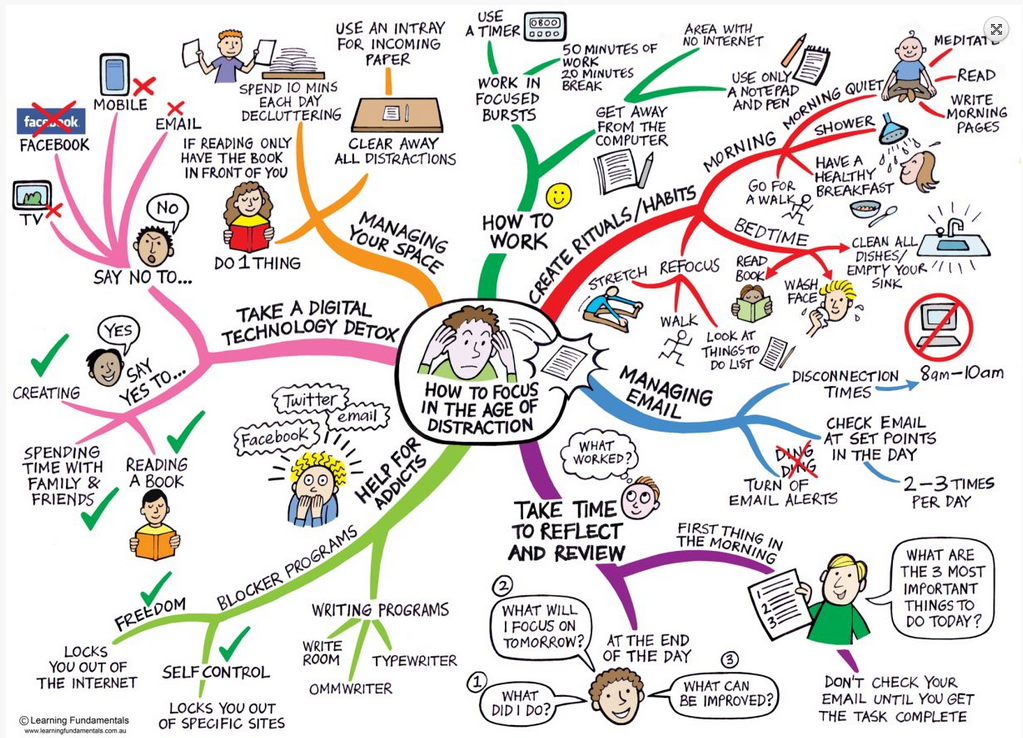
Genovese highlights her analysis of the book and the changes she’s making to sharpen her focus, including:
Create habits and/or rituals to focus your mind.
Manage email (expectations) and switch it off if necessary.
Make time to reflect & review.
Admit you’re online too much, and take steps to remedy.
Digital detox: take time away and switch off.
Work ethics (simplify working practices based on distractions, movement, time, etc.)
quinta-feira, 12 de dezembro de 2013
25 ideias para promover a leitura diariamente nas escolas

1. Set aside time for independent reading. Time for reading independently doesn’t just happen. Plan for it by making it a priority in schedules across K-12 classrooms. You may need to get creative by stealing minutes here and there, but find at least 15 minutes a day (20 recommended) for self-selecting, independent reading.
Ler mais aqui
terça-feira, 10 de dezembro de 2013
Information Literacy Weblog: UNESCO General Conference endorses Media and Information Literacy resolution: an international step forward!

"As Recomendações da IFLA sobre Literacia da Informação e dos Media podem oferecer fundamentação vital para assegurar que todos os cidadãos tenham competências e capacidades para participar de modo equitativo nas Sociedades do Conhecimento desenvolvendo ações para colaborações de múltiplo apoio entre governos, e organizações do setor privado e do setor público, bibliotecários, educadores e outros promotores, em países desenvolvidos e em vias de desenvolvimento."
Information Literacy Weblog: UNESCO General Conference endorses Media and Information Literacy resolution: an international step forward!(tradução livre do documento original, em inglês, aprovado em 05.11.2013 - Resolução proposta pelas Filipinas, com o apoio da Croácia, Finlândia, Alemanha, Oman, Polónia e Federação Russa)

Education innovation: A case study in what not to do

"There is no body of evidence that iPads will increase math and reading scores on state standardized tests. There is no evidence that students using iPads (or laptops or desktop computers) will get decent paying jobs after graduation.Education innovation: A case study in what not to do
These are the most common reasons boards of education and school administrators across the nation give for buying tablets for K-12 students. But not in LAUSD.
Acquiring 1:1 iPads for students, according to the LAUSD press release is to: “provide an individualized, interactive and informative-rich learning environment” for every student. One would have to assume that such an “environment” would lead to gains in test scores. But it is an assumption. Since many low-income families do not have computers at home or Internet connections, providing iPads is a worthy reason — what used to be called “closing the digital divide“ — for the large expenditure.
On what basis, however, will the district determine whether to move to Phase 2 of the plan? Again, according to the official press release, the assessment of this first phase “will include feedback … from teachers, students, parents and other key stakeholders.” That’s it. No hard data on how often the devices were used, in what situations, and under what conditions. Nor mention of data on student outcomes.
Now, informal surveys of teachers and school administrators show mixed reactions, even disaffection for iPads in classrooms."
quarta-feira, 4 de dezembro de 2013
Como matar uma biblioteca escolar: 10 passos simples de dar

7. Don’t invite public library staff to visit your school and promote summer reading programs or special events. This will draw attention to all the wonderful things that don’t happen at your school any more. Keep all public library references to ebooks and resources on the down-low. If your students think a library has a real function and role in their learning, they’re just going to want those school library doors open longer.
How to Kill a School Library: 10 Easy Steps | School Library Journal
segunda-feira, 2 de dezembro de 2013
UP - PLACES - Plataforma de Acessibilidade
Quantas vezes ficamos sem entender um vídeo por não termos acesso ao som? Quantas vezes seria interessante ter o livro que estamos a ler, em áudio, para o continuarmos a ler enquanto conduzimos? Cada vez mais a informação que produzimos/disponibilizamos deve ser pensada para diferentes utilizadores e diferentes contextos de uso. Quanto mais versátil ou flexível o formato, mais útil e eficaz poderá ser, efetivamente, para TODOS.
Com o objetivo de contribuir para um design que se quer cada vez mais universal, o presente tutorial disponibiliza orientações para a criação de documentos digitais acessíveis formatados em Word 2010, PowerPoint 2010 e formato HTML para utilização na Web.
O desafio era, por um lado, poder aqui dar a conhecer as ferramentas que as aplicações já disponibilizam para criar acessibilidade, mas que, por desconhecimento geral, simplesmente não se utilizam; por outro, como é o caso do capítulo relativo ao HTML, rever a utilidade de aspetos fundamentais e mostrar estratégias úteis na criação e disponibilização de informação.
UP - PLACES - Plataforma de Acessibilidade
quinta-feira, 28 de novembro de 2013

Subscrever:
Mensagens (Atom)

-
Mais um produto RTP Ensina, desta vez para os mais novos e sobre a cidadania e os Direitos das Crianças. 15 programas curtos (5 min cada),...

