Copyright: Sarah McIntyre
Meles Meles

1.
Early and ongoing exposure to reading outside of school builds
literacy and language skills. (Including conversations with adults)
2.
Phonemic awareness is essential to reading and is at the root of many
reading difficulties.
3.
Language comprehension is an important part of skilled reading.
4.
Certain groups of students face unique challenges learning to read.
(Dyslexia, English Language Learner)
1.
Reading Interventions - includes research on different
approaches to improving students’ reading skills, particularly for
students with reading difficulties.
2.
Reading Disabilities/Difficulties - describes the development
of children with reading disabilities and reading difficulties, and
possible ways to predict which children will experience reading
difficulties.
3.
Early Literacy - includes research on different approaches for
building preschool, pre-K, and kindergarten students’ literacy
skills (including vocabulary and reading).
4.
Reading Comprehension & Literacy - includes research on
how people develop reading comprehension skills, and how those skills
are connected to other aspects of literacy, such as vocabulary, word
recognition, and language proficiency.
5.
Writing Instruction - includes descriptions and evaluations of
different instructional approaches that can be used to improve
students’ writing skills.
6.
Deaf Students & Reading - includes research on how deaf
and hard-of-hearing students develop reading skills, and various
reading instruction methods for this student population.
7.
The Reading Comprehension & Older Students - explores
instructional strategies for supporting older students’ reading
comprehension (upper elementary/middle school).
8.
Reading & Cognition - includes research on how the brain
processes and recognizes words based on sounds and visual images, and
how this relates to individual differences in reading skill
development.
9.
Morphology & Reading - explores the role of morphology
(the form/structure of words) in learning to read, and the effects of
morphological interventions designed to improve students’ reading
skills.
10.Literacy
Instruction & Intellectual/Developmental Disabilities - explores various approaches to reading/literacy instruction
for students with intellectual or developmental disabilities.
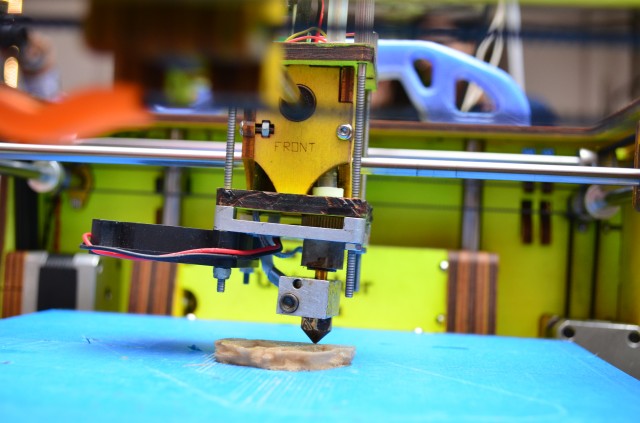
Ackroyd decided this wasn’t optimal. “People no longer have to come to a library to get information,” she says, “so the library has to get people coming in for different reasons. Students need somewhere to socialize, create things and collaborate.”As her first step, she and her co-librarian at the time (music teacher Dave Glover), converted a storeroom into a technology lab. They salvaged computers destined for the landfill and installed music-authoring software on them.

A existência de professores tutores é tão necessária quão difícil é o exercício do cargo. A boa vontade e o voluntarismo com que os professores se lhe entregam esbarram com um sem número de dificuldades. Começa-se pela formação insuficiente.Armanda Zenhas escreveu em 2011: Professor tutor: que funções e objetivos? » Educare - O Portal de Educação
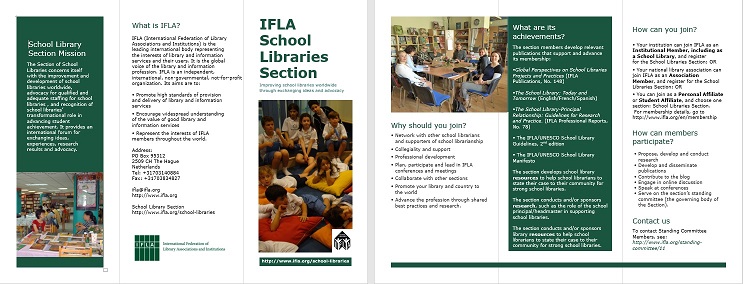
Here is the 2016 version of the leaflet of the SL section. Please distribute it. You are welcome to use it without our permission, but the contents cannot be changed. You are also invited to make a translation. If you want to do so, please contact Albert Boekhorst.

School librarians have a responsibility to teach students about their privacy rights, practices they can use to protect themselves, ethical behavior online, and respect for the privacy of others. In addition to educating students, school librarians should become advocates for protecting student privacy and intellectual freedom in the larger school environment. Often school librarians are focused only on user privacy within the library to the detriment of larger privacy issues in their school and district context. Because of their professional training and ethical commitment, librarians are well-equipped to be privacy advocates outside of the school library.